Specialty

EMR and hospital software for pulmonology

Diagnostic-led review cycles and long-term patient tracking.

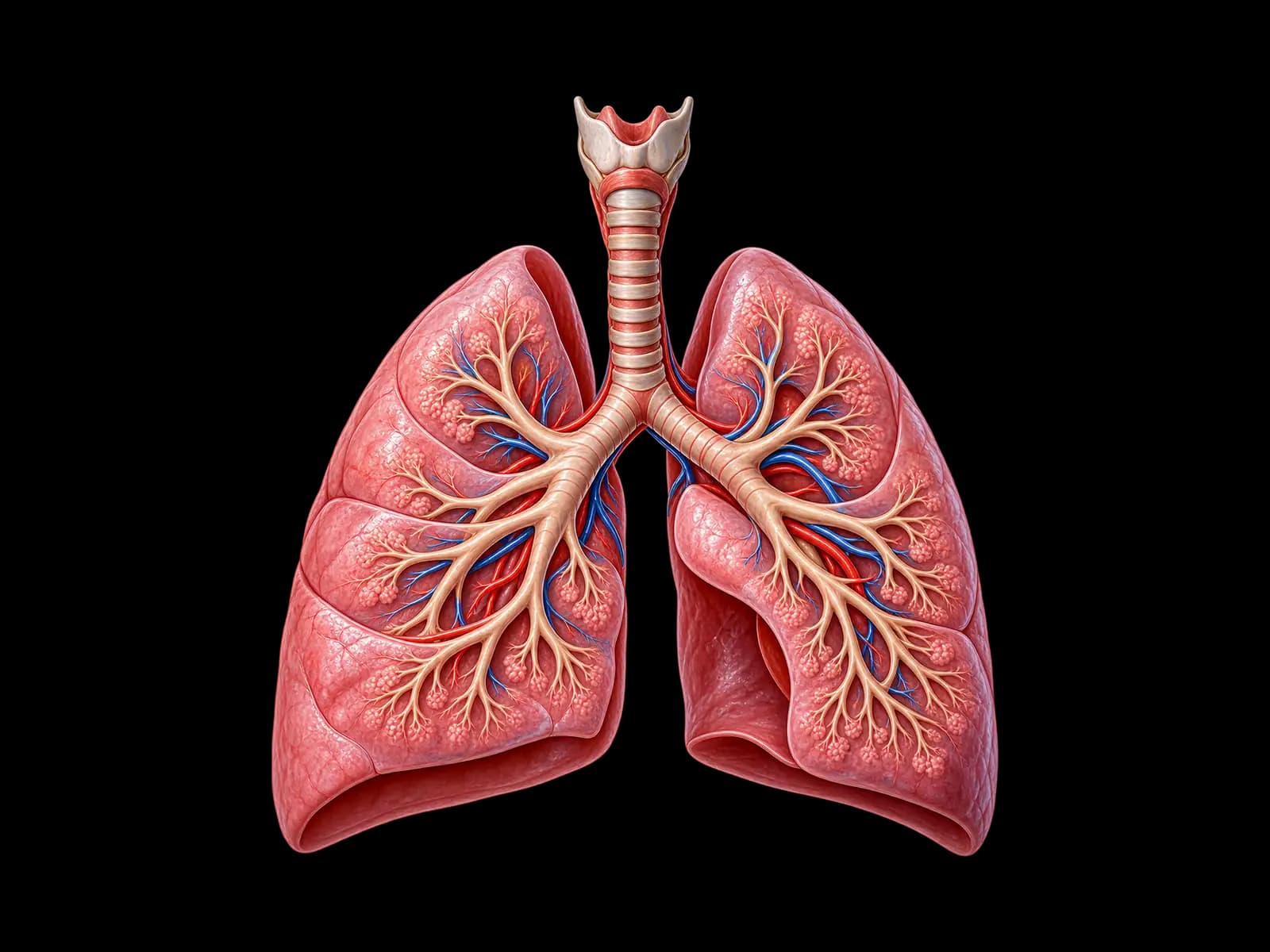
An anatomical illustration of the human lungs and bronchial tree.

About pulmonology

Pulmonology manages airway and lung disease over years, chiefly asthma and COPD, alongside pneumonia and tuberculosis, sleep apnea, bronchiectasis and interstitial lung disease. Breathlessness, saturation and lung function are the measures, and the question at every review is better or worse.

What the practice sees most

Bronchial asthmaCOPDCommunity-acquired pneumoniaTuberculosisChronic coughBronchiectasisObstructive sleep apneaInterstitial lung diseasePleural effusionNicotine dependence

What makes this specialty hard to run

The operational problems a system has to answer, before any feature list.

  1. 01

    Asthma and COPD are managed over years, and the question each visit is whether the patient is better or worse than last time.

  2. 02

    Lung function tests, chest X-rays and oxygen levels are the evidence, and they come from different places.

  3. 03

    Tuberculosis treatment runs for months with strict follow-up.

  4. 04

    Inhaler technique and adherence are part of the consultation, not an afterthought.

How Nirogix supports pulmonology

Grouped the way the day runs. Every line says whether it is in the product today or planned.

Available todayPlanned, not available yet

Clinical pathways are reference content your clinical team reviews and edits as its own; nothing is ordered or prescribed until a doctor chooses it. Calculators inform a decision and do not write to the record. A line that needs a particular module names it.

The chest consultation

  • Ten pulmonology pathways ready on day one: asthma, COPD, pneumonia, chronic cough, bronchiectasis, sleep apnea, pleural effusion and more, with tuberculosis among the infectious disease pathways
  • Respiratory rate and SpO₂ with the vitals at the stage your clinic chooses, and a trend chart across visits
  • An RS line in the systemic examination, and clubbing and cyanosis as structured signs
  • With the Pulmonology module, pack-years, biomass exposure, the mMRC breathlessness grade and inhaler technique as structured fields

Asthma and COPD over years

With the General Medicine and Primary Care module.

  • Asthma and COPD registers recording your judgment of control at each review
  • The overdue list worked from the register
  • With the Pulmonology module, printed asthma and COPD action plans, and FEV1, FVC and peak flow trends

Investigations and calculators

  • Chest X-ray and HRCT ordered with the Radiology module, with the signed report returned to the record
  • Sputum and blood tests ordered in the consultation, with flagged results beside the order
  • CURB-65, the pneumonia severity index, A-a gradient, PERC and Wells in the consultation
  • With the Pulmonology module, spirometry before and after a bronchodilator and sleep study reports as structured records, and CURB-65 stored with its criteria
  • Spirometry with predicted values, and STOP-BANG(planned)

Treatment and follow-up

  • Inhalers and other medicines prescribed from your formulary, the last plan reusable at the next visit
  • A treatment case that holds the months of a TB course, with follow-up dates in one press
  • Reminders by SMS or WhatsApp through your own accounts
  • With the Pulmonology module, a smoking cessation attempt with its follow-up visits and exhaled carbon monoxide
  • TB program reporting(planned)

Procedures and the ICU

  • Pleural taps and intercostal drains recorded as bedside procedures with consent (Clinical Support)
  • Ventilation in the ICU: invasive, non-invasive and high-flow episodes with the ventilator chart and its P/F ratio
  • Admission with signed rounds, the nursing chart and a printed discharge summary

What changes for the practice

Better or worse, at a glance

Saturation and other vitals chart across visits, beside every earlier result.

Chronic patients you can find

The asthma and COPD registers list who is uncontrolled and who is overdue.

From clinic to ventilator on one record

The same chart follows the patient from the OPD to the ward and the ICU.

Severity scores at hand

CURB-65 and the pneumonia severity index open inside the consultation.

The modules a practice like this turns on

Modules are entitlements: enable what you need now and add the rest when you are ready. Nothing is re-implemented per specialty.

What gets configured for you

Vitals captured at the point in the visit your practice usesFollow-up intervals for chronic reviewInvestigation catalog for the tests the practice orders

Most specialties differ in configuration rather than code: the same modules are enabled and set up differently. Where a specialty has a module of its own (twenty-three today, from Pediatrics, Obstetrics and Dentistry to Cardiology, Oncology and Nephrology), it is switched on per hospital. Where a specialty needs a capability the platform does not have yet, we say so during the demo rather than after you buy.
Questions we are asked

Can we record spirometry?

Yes, with the Pulmonology module: FEV1, FVC and the ratio as measured, before and after a bronchodilator, charted across visits. Percent predicted is not shown, because the reference equations are not chosen yet.

Does it support TB treatment follow-up?

Yes, with a tuberculosis pathway, a treatment case for the months of the course and follow-up dates. TB program reporting is planned.

Can we chart ventilation?

Yes, with the ICU module: invasive, non-invasive and high-flow episodes with a ventilator chart, charted by the team; nothing is read from the machine.

Is there a pulmonology module?

Yes, switched on per hospital: the chest consultation, spirometry and peak flow trends, printed action plans, sleep study reports and smoking cessation follow-up. Its forms are being reviewed by a pulmonologist before customer use.

See it running with your own workflows.

Book a walkthrough and we will map your clinic or hospital onto the platform, module by module.