Specialty

EMR and hospital software for nephrology

Recurring treatment schedules with continuous lab monitoring.

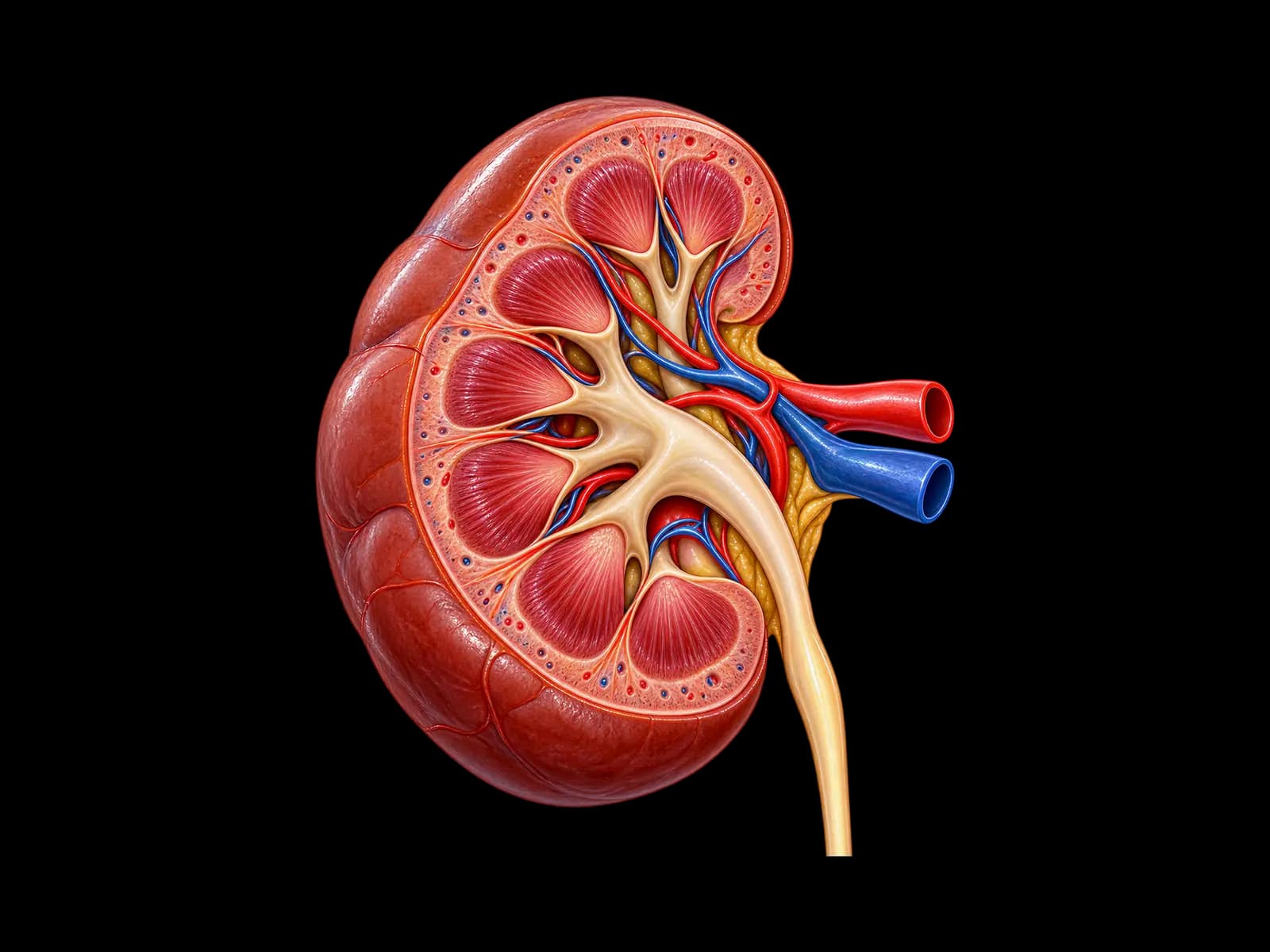
A cross-section illustration of the human kidney with its blood vessels and ureter.

About nephrology

Nephrology looks after the kidneys across chronic kidney disease, acute kidney injury, glomerular disease, electrolyte disorders and dialysis. Care is measured in trends of creatinine, eGFR and protein, and many patients are shared with diabetologists and cardiologists.

What the practice sees most

Chronic kidney diseaseDiabetic kidney diseaseHypertensive kidney diseaseEnd-stage kidney disease on dialysisAcute kidney injuryNephrotic syndromeProteinuriaHyponatremia and hyperkalemia

What makes this specialty hard to run

The operational problems a system has to answer, before any feature list.

  1. 01

    Kidney care is measured in trends: creatinine, electrolytes and hemoglobin across months, not a single result.

  2. 02

    Dialysis patients return several times a week on a fixed schedule.

  3. 03

    Medication is adjusted to kidney function, so every prescription depends on the latest results.

  4. 04

    Many patients also see a diabetologist or cardiologist, so the record has to travel between departments.

How Nirogix supports nephrology

Grouped the way the day runs. Every line says whether it is in the product today or planned.

Available todayPlanned, not available yet

Clinical pathways are reference content your clinical team reviews and edits as its own; nothing is ordered or prescribed until a doctor chooses it. Calculators inform a decision and do not write to the record. A line that needs a particular module names it.

The kidney consultation

  • Nine nephrology pathways ready on day one: CKD, diabetic and hypertensive kidney disease, dialysis, AKI, nephrotic syndrome, proteinuria and electrolyte disorders
  • Diagnoses coded from common renal ICD-10-CM codes, including CKD stages and dialysis
  • Blood pressure and weight at every visit, with a trend chart of any vital across visits

Kidney function at the point of decision

  • eGFR (CKD-EPI 2021), Cockcroft-Gault creatinine clearance, FENa, anion gap and corrected calcium in the consultation
  • With the General Medicine and Primary Care module, a chronic kidney disease register that judges blood pressure against each patient’s targets, and eGFR stored with its inputs
  • With the Nephrology module, CKD reviews with the KDIGO categories the clinician chooses, and eGFR, albumin-creatinine ratio, creatinine and potassium charted from the values recorded

Investigations

  • Renal panels, electrolytes and urine tests ordered in the consultation, with flagged results beside the order and every earlier result kept
  • Renal ultrasound ordered with the Radiology module, with the signed report returned to the record
  • A vancomycin starting dose calculator for clinicians

Dialysis

  • Dialysis patients booked visit by visit, each session recorded as a visit with notes and billed
  • A renal diet for admitted patients with the Diet & Nutrition module
  • With the Nephrology module, each patient’s dialysis prescription, sessions charted with weight removed and URR, Kt/V as the dialysis unit calculates it, and vascular access records
  • With the Nephrology module, transplant work-up and follow-up with tacrolimus levels
  • Dialysis station scheduling(planned)

Shared care and follow-up

  • In-hospital referrals to and from diabetology and cardiology on the same chart
  • Follow-up dates in one press, and reminders by SMS or WhatsApp through your own accounts
  • Prescriptions from your formulary with the latest results on the same record

What changes for the practice

Every result in one place

Creatinine, electrolytes and hemoglobin stay on one record in date order, whoever ordered them.

Kidney function worked out where you prescribe

eGFR and creatinine clearance open inside the consultation, filled from the chart.

One chart across departments

A referral from diabetology or cardiology opens the same record, not a new file.

Dialysis visits on the calendar

Regular sessions are booked ahead and billed visit by visit.

The modules a practice like this turns on

Modules are entitlements: enable what you need now and add the rest when you are ready. Nothing is re-implemented per specialty.

What gets configured for you

Investigation catalog with renal panels and reference rangesProvider slots for regular visitsSession and consultation pricing on the invoice

Most specialties differ in configuration rather than code: the same modules are enabled and set up differently. Where a specialty has a module of its own (twenty-three today, from Pediatrics, Obstetrics and Dentistry to Cardiology, Oncology and Nephrology), it is switched on per hospital. Where a specialty needs a capability the platform does not have yet, we say so during the demo rather than after you buy.
Questions we are asked

Can we chart dialysis sessions?

Yes, with the Nephrology module: each session charted by the dialysis nurse against the patient’s dialysis prescription, with weight removed and URR computed and Kt/V as the dialysis unit calculates it, and vascular access records. Station scheduling is planned.

Which kidney calculators are included?

eGFR (CKD-EPI 2021), Cockcroft-Gault creatinine clearance, FENa, anion gap, corrected calcium and sodium correction, in the consultation.

Does it show creatinine trends?

Every result stays on the record in date order. With the Nephrology module, the values recorded at each CKD review (eGFR, albumin-creatinine ratio, creatinine, potassium, hemoglobin) are charted across reviews.

Is there a nephrology module?

Yes, switched on per hospital: CKD reviews, eGFR stored with its inputs, dialysis sessions, vascular access and transplant follow-up. Its forms are being reviewed by a nephrologist before customer use.

See it running with your own workflows.

Book a walkthrough and we will map your clinic or hospital onto the platform, module by module.