Specialty

Hospital software for multi-specialty hospitals

Several departments on one platform, each configured its own way.

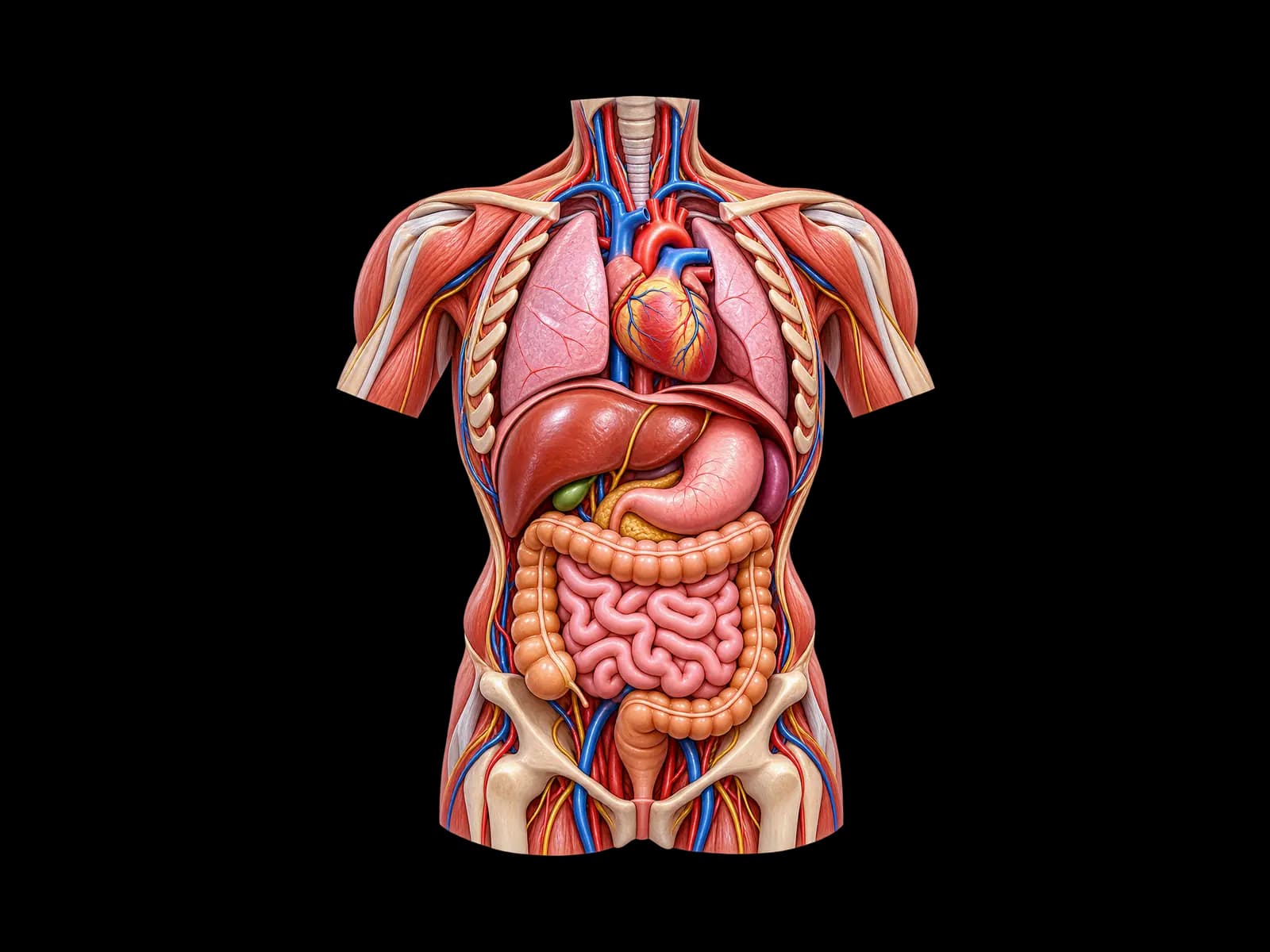
A front-facing anatomical illustration of the human torso showing the major organ systems.

About multi-specialty hospitals

A multi-specialty hospital runs many departments on one patient, one pharmacy and one bill. Each department works its own way, and the system has to let it, without splitting the record or the money.

Departments that share the record

Medicine and its specialtiesSurgery and its specialtiesWomen and childrenEmergency and critical careLaboratory and imagingPharmacy

What makes this specialty hard to run

The operational problems a system has to answer, before any feature list.

  1. 01

    Each department works differently, but the patient, the bill and the pharmacy are shared.

  2. 02

    A patient moves between departments, and every one needs to see what the others did.

  3. 03

    Reporting has to work per department and for the hospital as a whole.

  4. 04

    Access must follow the role, so staff see what their work needs and nothing more.

How Nirogix supports multi-specialty hospitals

Grouped the way the day runs. Every line says whether it is in the product today or planned.

Available todayPlanned, not available yet

Clinical pathways are reference content your clinical team reviews and edits as its own; nothing is ordered or prescribed until a doctor chooses it. Calculators inform a decision and do not write to the record. A line that needs a particular module names it.

Departments on one record

  • Departments with their own doctors, schedules and fee rules, per hospital and per branch
  • One patient record and one UHID across every department
  • In-hospital referrals from the consultation, checked in at the receiving department on the same chart

Specialty depth

  • 254 clinical pathways across 24 specialties, browsable by specialty, which your hospital reviews, edits and extends as its own library
  • Twenty-three specialty modules, from Pediatrics, Obstetrics and Dentistry to Cardiology, Oncology and Nephrology, each switched on per hospital, with a Specialty clinics due list for each
  • A structured form for a specialty, set up with you during onboarding
  • The specialty capabilities still to come, such as a dermatology body map, dental imaging and chemotherapy day care(planned)

Hospital services

  • Admission, ICU, emergency, operation theater, CSSD, radiology, blood bank, nursing and diet on the same platform
  • One pharmacy, one laboratory and one invoice serving every department

Control

  • Modules and capabilities switched on per hospital, and refused by the server where they are off
  • Roles and permissions per user, with every change written to an audit trail
  • Several branches in one organization

Reports

  • Daily collections, the OPD register and pending lab results, and an end-of-day report that reconciles collections
  • Theater utilization, and boards for the ICU, the emergency department and the nursing round
  • Cross-branch reporting(planned)

What changes for the practice

A referral is not a new file

The receiving department opens the same chart, with everything the others did.

Each department its own way

Fees, schedules and forms are set per department, on one platform.

Access that follows the job

Roles decide what each person sees, and the server checks it on every request.

Turn on what you run

Modules are switched on per hospital, so a new department is a setting, not a new system.

The modules a practice like this turns on

Modules are entitlements: enable what you need now and add the rest when you are ready. Nothing is re-implemented per specialty.

What gets configured for you

Departments, branches and provider schedulesRoles and permissions per departmentFee schedules and catalogs shared across departments

Most specialties differ in configuration rather than code: the same modules are enabled and set up differently. Where a specialty has a module of its own (twenty-three today, from Pediatrics, Obstetrics and Dentistry to Cardiology, Oncology and Nephrology), it is switched on per hospital. Where a specialty needs a capability the platform does not have yet, we say so during the demo rather than after you buy.
Questions we are asked

Can each department have its own workflow?

Yes, within one platform: its own doctors, schedules and fees, pathways browsed by specialty, and, where it needs one, a structured form set up at onboarding.

Can we run several branches?

Yes. Branches are part of the organization from the start. Reporting across branches is planned.

Do you have a module for every specialty?

For twenty-three specialties, from Pediatrics, ENT and General Medicine to Obstetrics, Dentistry, Cardiology, Oncology and Nephrology, each switched on per hospital. General surgery, emergency care and radiology run on the Operation Theater, Emergency and Radiology modules. The forms of the twenty specialty modules built in October 2026 are being reviewed by a clinician of each specialty before customer use.

Other specialties

See it running with your own workflows.

Book a walkthrough and we will map your clinic or hospital onto the platform, module by module.