Specialty

EMR and hospital software for neurology

Complex histories, diagnostics, and long-running review cycles.

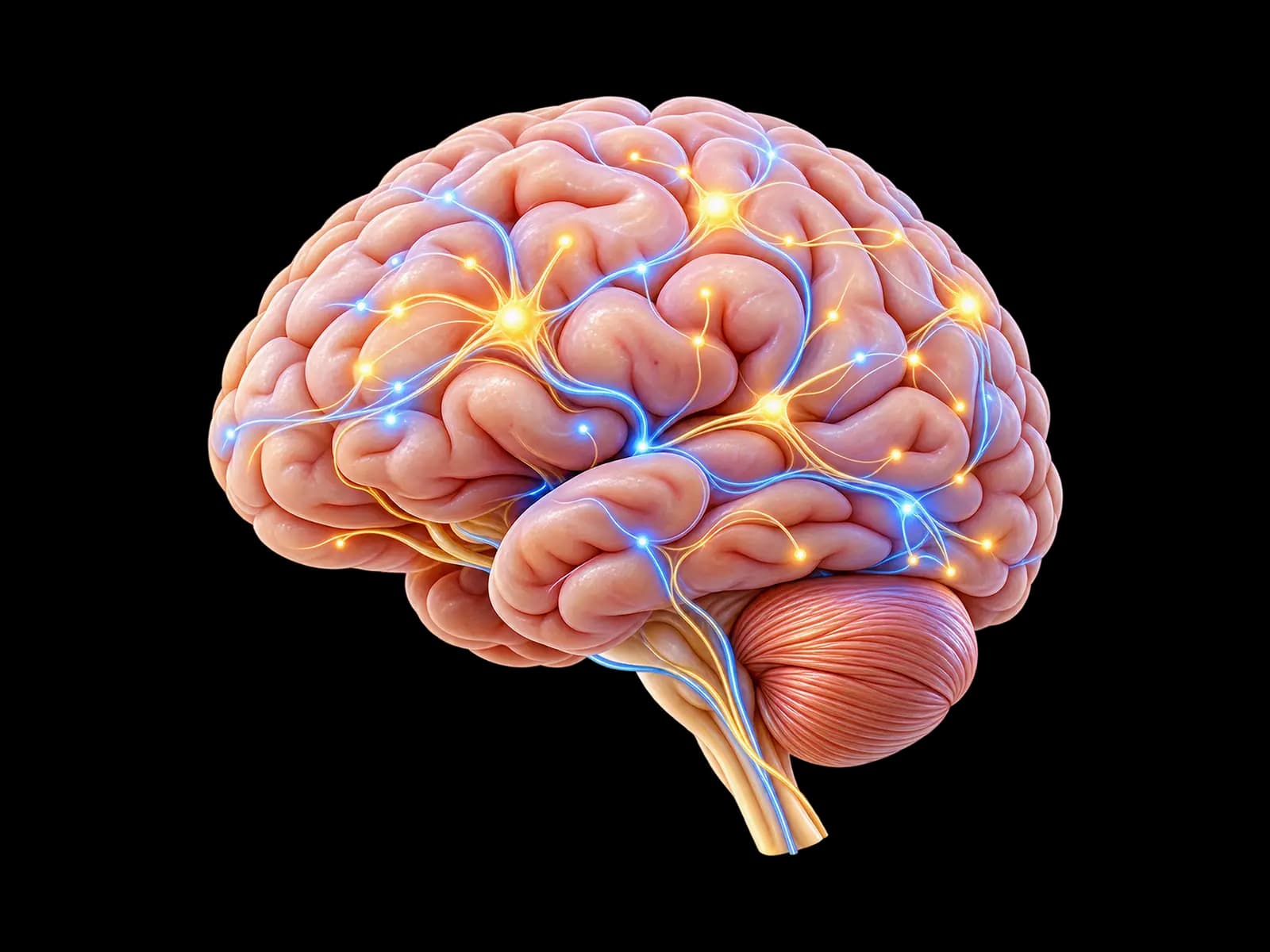
An anatomical illustration of the human brain with glowing neural connections.

About neurology

Neurology manages conditions that unfold over years, such as epilepsy, migraine, Parkinson disease and dementia, alongside stroke and new deficits that need answers quickly. Decisions rest on the history, a careful examination and imaging, and on knowing what was tried before.

What the practice sees most

Migraine and tension headacheEpilepsyStroke and TIA follow-upPeripheral neuropathyParkinson diseaseBell palsyTrigeminal neuralgiaDementiaEssential tremorRestless legs syndrome

What makes this specialty hard to run

The operational problems a system has to answer, before any feature list.

  1. 01

    A neurology history is long and builds over years, and the next decision depends on what was tried before.

  2. 02

    Investigations such as nerve studies, imaging and blood levels come from several places and have to meet on one record.

  3. 03

    Chronic conditions like epilepsy, migraine and Parkinson disease mean scheduled reviews rather than one-off visits.

  4. 04

    Medication changes are frequent and small, so the dose history matters as much as the current prescription.

How Nirogix supports neurology

Grouped the way the day runs. Every line says whether it is in the product today or planned.

Available todayPlanned, not available yet

Clinical pathways are reference content your clinical team reviews and edits as its own; nothing is ordered or prescribed until a doctor chooses it. Calculators inform a decision and do not write to the record. A line that needs a particular module names it.

The neurology consultation

  • Twelve neurology pathways ready on day one: migraine, epilepsy, stroke follow-up, TIA, Parkinson disease, Bell palsy, neuropathy, dementia and more
  • A CNS line in the systemic examination, free-text examination notes, and mental status in your own words
  • A structured neurological form set up with you during onboarding, which locks with the signed note
  • With the Neurology module, a structured examination with tone and MRC power for each limb, reflexes, sensation and coordination

Scales

  • NIHSS, GCS and MMSE in the consultation, for clinicians
  • GCS recorded with the vitals wherever your hospital takes them, and charted across visits
  • With the Neurology module, NIHSS and GCS stored with their items, and the modified Rankin Scale charted across stroke reviews
  • ABCD² and Hoehn and Yahr stored on the record(planned)

Imaging and investigations

  • CT and MRI ordered from the consultation with the Radiology module, with the radiologist’s signed report returned to the record
  • Drug levels and blood tests ordered in the consultation, with flagged results beside the order
  • Outside scans, EEG and nerve conduction reports attached to the patient’s record
  • Viewing images in the product (PACS and a DICOM viewer)(planned)

Medication and follow-up over years

  • Each prescription kept with its visit, so the dose history reads back visit by visit, and the last plan reusable as a tick list
  • A treatment case for each condition’s course, so a seizure review attaches to the epilepsy it follows
  • A follow-up date in one press, and a reminder by SMS or WhatsApp through your own accounts
  • With the Neurology module, a seizure diary and a headache diary with monthly headache days, each charted across entries

Stroke and the hospital

  • Stroke arrivals triaged in the emergency department, with the GCS joining the patient’s own vitals
  • Admission to a ward or the ICU, with the hourly bedside chart
  • Lumbar puncture recorded as a bedside procedure with its consent, with the Clinical Support module
  • With the Neurology module, a stroke record with thrombolysis times, secondary prevention and reviews filed under it

What changes for the practice

The whole story in order

Every consultation, prescription, result and report sits on one timeline, newest first.

Scales at hand

NIHSS, GCS and MMSE open inside the consultation, rather than on a separate app or a printed sheet.

Imaging reports where you look

CT and MRI reports come back signed to the record of the patient you ordered them for.

Reviews that do not drift

Follow-up dates sit on your dashboard until they are booked.

The modules a practice like this turns on

Modules are entitlements: enable what you need now and add the rest when you are ready. Nothing is re-implemented per specialty.

What gets configured for you

Follow-up intervals for chronic-condition reviewInvestigation catalog for the tests the practice ordersConsultation and review fees on the fee schedule

Most specialties differ in configuration rather than code: the same modules are enabled and set up differently. Where a specialty has a module of its own (twenty-three today, from Pediatrics, Obstetrics and Dentistry to Cardiology, Oncology and Nephrology), it is switched on per hospital. Where a specialty needs a capability the platform does not have yet, we say so during the demo rather than after you buy.
Questions we are asked

Can we view MRI images in Nirogix?

Not yet. CT and MRI are ordered and reported in the product, and the signed report sits on the record, but images are not stored or viewed; that needs the planned PACS.

Is MMSE available?

Yes, as a calculator in the consultation for clinicians. Its result is not stored on the record.

Can we follow a patient with epilepsy over years?

Yes. Each visit, prescription and result sits on one timeline, and a treatment case groups the reviews of one condition. With the Neurology module, each seizure is entered in a diary and charted, and drug levels are recorded at each review.

Is there a neurology module?

Yes, switched on per hospital: a structured neurological examination, NIHSS and GCS stored, seizure and headache diaries, stroke records and reviews on a due list. Its forms are being reviewed by a neurologist before customer use. Without it, neurology runs on the shared consultation, pathways, laboratory and radiology.

See it running with your own workflows.

Book a walkthrough and we will map your clinic or hospital onto the platform, module by module.