Specialty

EMR and hospital software for oncology

Protocol-driven cycles with heavy diagnostics and pharmacy involvement.

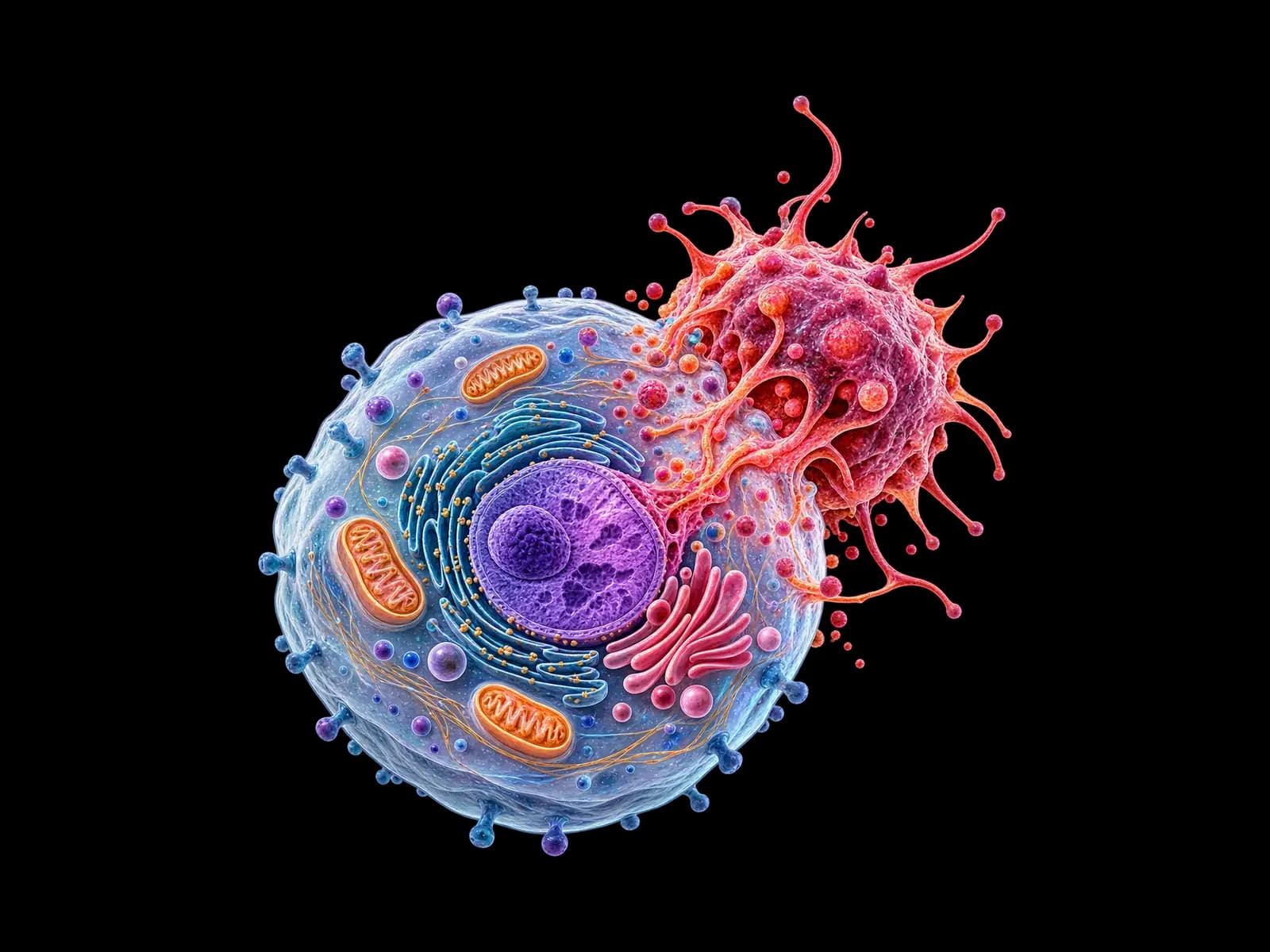
An illustration of a healthy cell being invaded by a cancer cell.

About oncology

Medical oncology treats cancer with chemotherapy and other systemic therapy, usually in cycles, alongside surgeons and radiation oncologists. Each cycle depends on counts taken just before it, high-cost drugs are dispensed in exact doses, and complications can bring a patient in at any time.

What the practice sees most

Breast cancerOral cavity cancerCervical cancerLung cancerColorectal cancerProstate cancerChemotherapy visitsCancer painFebrile neutropenia

What makes this specialty hard to run

The operational problems a system has to answer, before any feature list.

  1. 01

    Chemotherapy runs in cycles, and each cycle depends on blood counts taken just before it.

  2. 02

    Treatment involves high-cost drugs dispensed in exact doses.

  3. 03

    A patient may be admitted for treatment or complications at any point in the course.

  4. 04

    Care is shared between oncologists, surgeons and radiotherapy, so the record must be complete.

How Nirogix supports oncology

Grouped the way the day runs. Every line says whether it is in the product today or planned.

Available todayPlanned, not available yet

Clinical pathways are reference content your clinical team reviews and edits as its own; nothing is ordered or prescribed until a doctor chooses it. Calculators inform a decision and do not write to the record. A line that needs a particular module names it.

The oncology consultation

  • Nine oncology pathways: breast, oral cavity, cervical, lung, colorectal and prostate cancer follow-up, chemotherapy visits, cancer pain and febrile neutropenia
  • A treatment case for the whole course, so every cycle and review attaches to it
  • Diagnoses coded for common cancer sites and chemotherapy visits
  • With the Oncology module, ECOG performance status in the consultation, and TNM staging recorded as the clinician staged it, with the edition used
  • Karnofsky performance status(planned)

Before each cycle

  • Blood counts and markers ordered in the consultation, with flagged results beside the order and every earlier result kept
  • Body surface area (Mosteller and Du Bois), creatinine clearance and eGFR in the consultation
  • With the Oncology module, your own chemotherapy regimens with each cycle, its pre-cycle assessment and any dose change the clinician decided, and adverse events with the CTCAE grade the clinician gave

Drugs, day care and transfusion

  • Medicines dispensed from the pharmacy against the prescription, with batch and expiry tracked
  • Day care and inpatient stays through admission, with the medication administration record kept by nursing
  • Blood components crossmatched and issued by the Blood Bank, with the transfusion and any reaction recorded
  • Pharmacist verification of chemotherapy orders(planned)

Consent and procedures

  • High-risk treatment and transfusion consents numbered and printed for signature (Clinical Support)
  • Bone marrow aspiration recorded as a bedside procedure
  • Febrile neutropenia seen in the emergency department and admitted from there

Shared care

  • One record seen by the oncologist, the surgeon and the ward, with in-hospital referrals on the same chart
  • Referral letters and consultation summaries printed on your letterhead
  • With the Oncology module, tumor board records with the recommendation the board made

What changes for the practice

Counts before every cycle

The latest blood counts sit beside every earlier result on the course’s record.

One course, one case

Cycles, reviews and admissions attach to the treatment case they belong to.

Drugs traced by batch

Pharmacy dispensing records the batch and expiry of every high-cost drug.

Shared without copying

Surgeons and the ward open the same chart, rather than a summary sent across.

The modules a practice like this turns on

Modules are entitlements: enable what you need now and add the rest when you are ready. Nothing is re-implemented per specialty.

What gets configured for you

Drug catalog with your own prices and stockInvestigation catalog for blood counts and markersWard and bed layout for day-care and inpatient treatment

Most specialties differ in configuration rather than code: the same modules are enabled and set up differently. Where a specialty has a module of its own (twenty-three today, from Pediatrics, Obstetrics and Dentistry to Cardiology, Oncology and Nephrology), it is switched on per hospital. Where a specialty needs a capability the platform does not have yet, we say so during the demo rather than after you buy.
Questions we are asked

Can we plan chemotherapy cycles in Nirogix?

Yes, with the Oncology module: the regimen your oncologist names, its cycles with the pre-cycle assessment and the next cycle on a due list, and the response. Nirogix ships no regimen library and computes no dose.

Does it calculate body surface area?

Yes, with the Mosteller and Du Bois formulas, in the consultation. It informs the dose; it does not write one.

Can we run a day-care unit?

Yes, through admission: a day-care ward with beds, nursing and the medication administration record, billed on the inpatient invoice.

Is there an oncology module?

Yes, switched on per hospital: staging as the clinician records it, regimens and cycles, toxicity grades and tumor board records. Its forms are being reviewed by an oncologist before customer use. Chemotherapy day care inside the module is planned; day care runs through admission today.

See it running with your own workflows.

Book a walkthrough and we will map your clinic or hospital onto the platform, module by module.